Xanadu Antiques is James Treacher. I deal in Chinese, Korean, Japanese and Vietnamese ceramics and works on paper, from Surrey, by appointment.
Every piece on this site has been through my hands. I photograph each one myself, and the listing shows the base, the mark and any fault wherever those photographs exist — where one is still to be taken, the listing says so — because for Asian ceramics the base is where the evidence lives, and a listing that does not show it is asking you to take its word for something.
How I buy
I buy privately, from house clearances, from other dealers, and increasingly from people who send me photographs through the valuation form on this site. I buy what I can attribute and what I would be happy to own. If I am not certain about a piece, I say so on the listing rather than hedging in an email after you have paid.
What I collect, and why
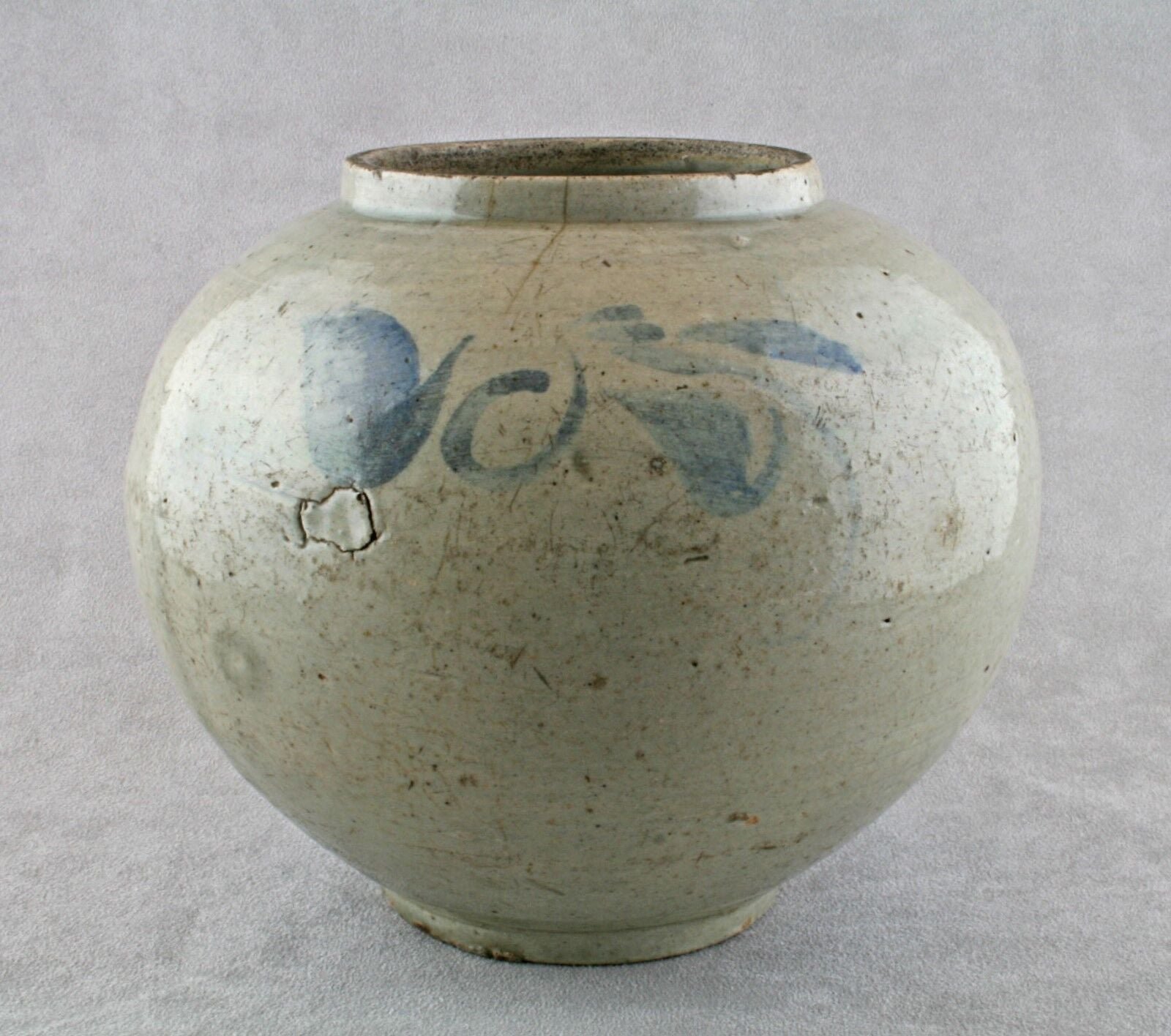
Chinese ceramics from Song to the Republic period, Korean Joseon white porcelain, Japanese Meiji wares, and the Vietnamese blue and white that was actually made at Jingdezhen for the Vietnamese court. The Korean material is where my own interest sits: it is the least written-about serious ceramic tradition in English, and the most consistently undervalued.
How every listing is written
The same way, in the same order. What the object is, in one sentence that could stand as a catalogue entry. Then what it looks like in the hand — glaze, potting, decoration, foot. Then the piece in context: what the ware, form or reign actually is, with links to the guides so you can check the claim against museum records rather than against me. Then a Catalogue table with dimensions, period, mark, condition grade and provenance, and an itemised list of faults with a photograph of each. Where an attribution is uncertain, the listing says “uncertain”, and the price reflects it.
Nothing on a listing is there to sell you the piece. It is there so that you could describe it accurately to someone else, which is the only test of a description that matters.
Why the guides exist
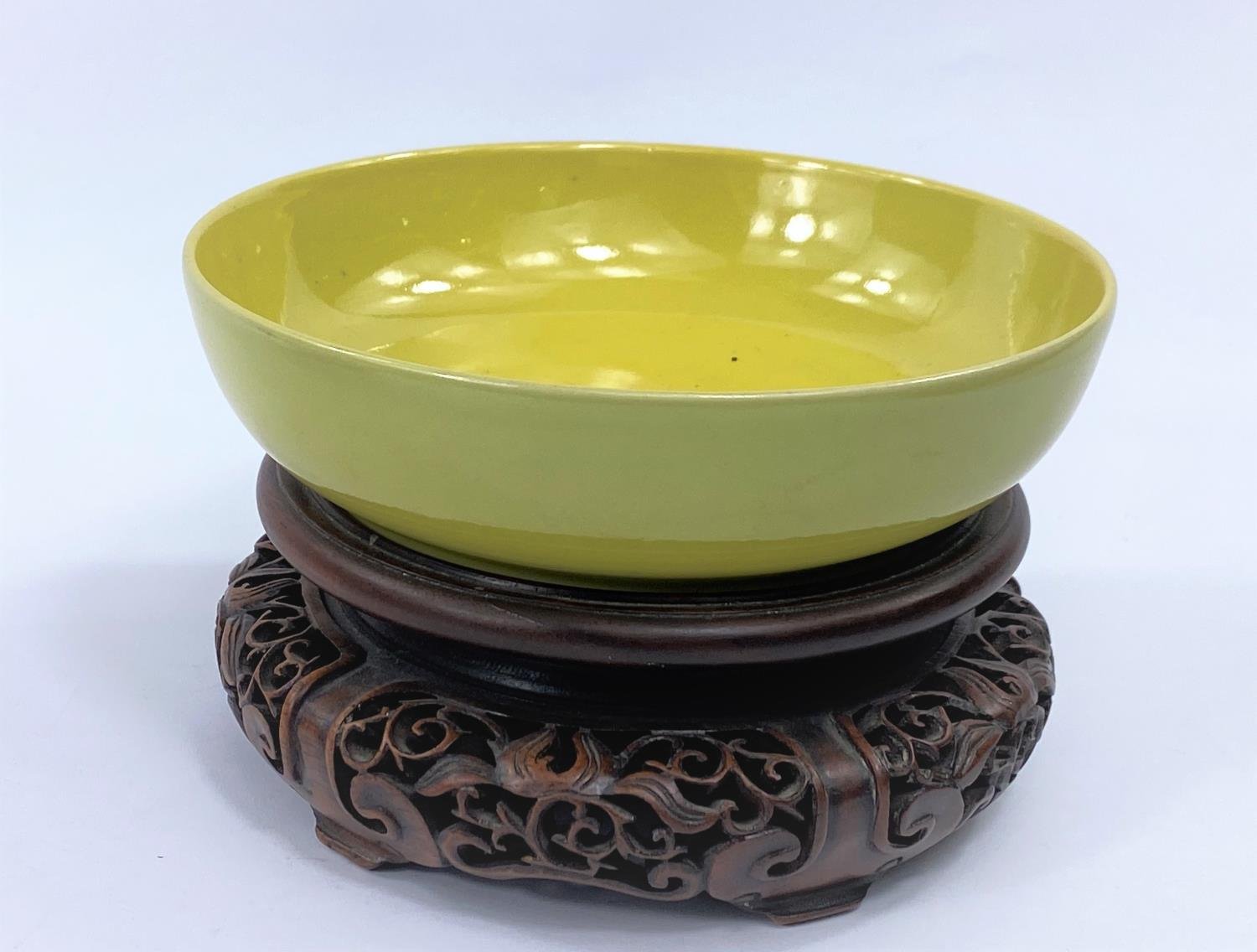
Most of what is written online about Chinese porcelain is copied from other things written online. The guides and journal on this site are written from the published records of the Metropolitan Museum, the British Museum and Percival David Foundation, the V&A, Cleveland, the Smithsonian and the National Palace Museum, cite them inline, and are illustrated from those museums’ open-access photographs of dated pieces. Where the trade repeats something no museum record supports — the Kangxi mark “edict”, the “Nippon” dating chain, a rank table for shades of yellow — the guides say so rather than repeat it. If you find an error, tell me; it will be corrected and the correction noted.
The name
Xanadu is Shangdu, Kublai Khan’s summer capital in the Yuan dynasty, carried into English by Coleridge. It is a Chinese place before it is an English poem.