I buy Chinese, Korean, Japanese and Vietnamese ceramics and works on paper. If you have something to sell, send photographs through the valuation form and I will make you an offer.
Where I collect from
Surrey, Sussex, Kent and London in person, and by insured carrier from anywhere in the UK. For a single piece, photographs are enough to start. For a collection or a house clearance I would rather come and see it than judge it from a phone.
What I am actively looking for
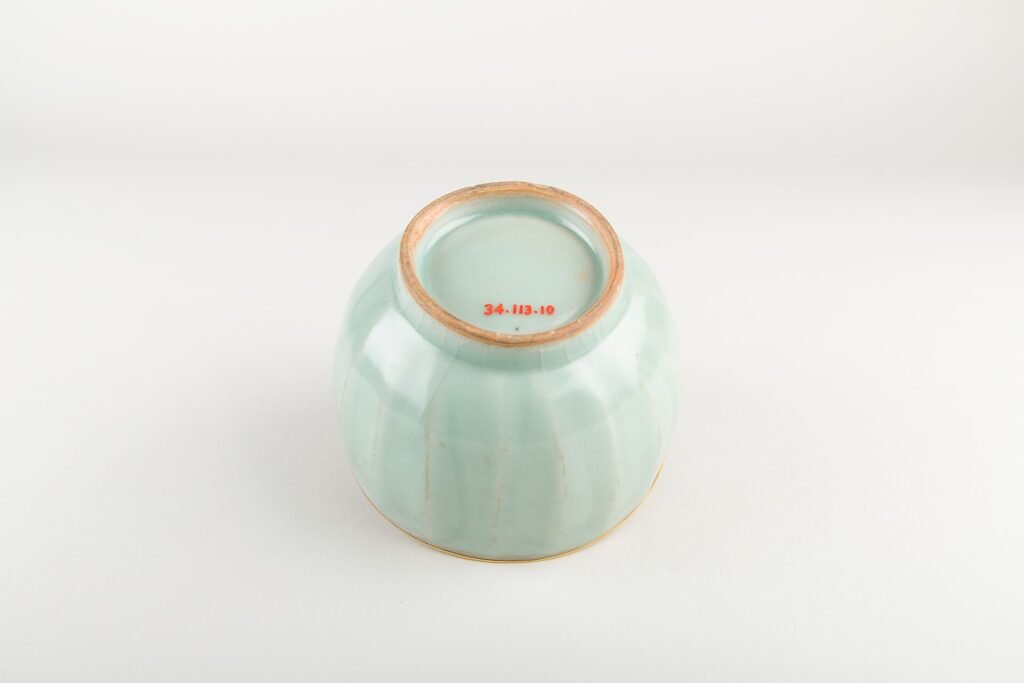
- Song and Yuan celadons, particularly Longquan
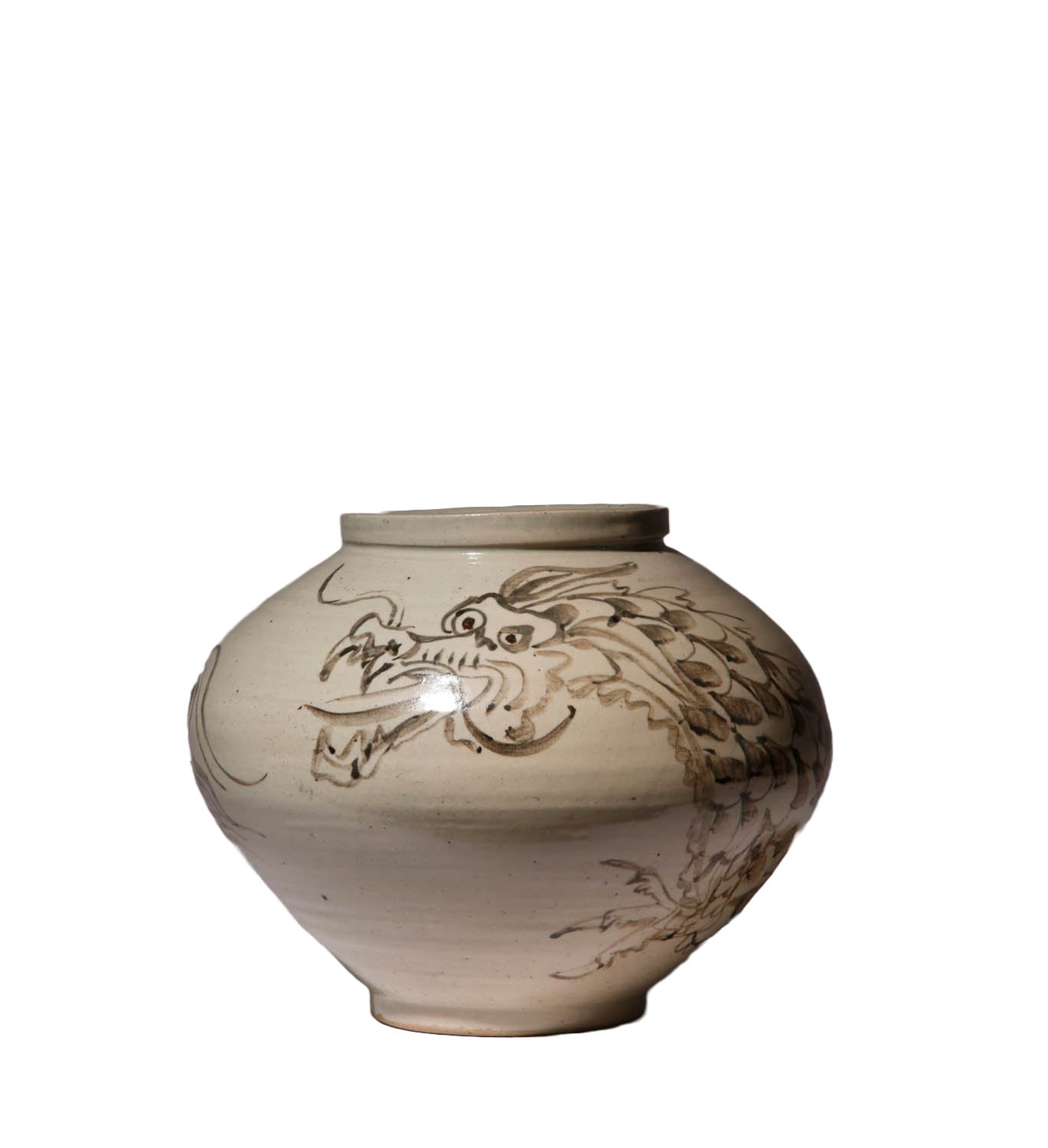
- Korean Joseon white porcelain and moon jars
- Chinese blue and white before 1750
- Anything with a named collection, an exhibition record or a publication reference
Condition matters less than you might think. A Song bowl with an old rivet repair is still a Song bowl, and a Joseon jar that has lost its lid is still a Joseon jar. What I cannot use is a piece that is not what it appears to be, which is why the first thing I look at is the base.
Three ways to sell
Outright purchase. I make an offer, you accept or you do not, and you are paid on collection. This is the simplest route and the one most people want: a number, a date, done.
Consignment. I list the piece here, sell it, and we split the proceeds on agreed terms. Suits pieces that need the right buyer rather than a quick sale — a published Korean jar, say, or an imperial mark-and-period bowl — where waiting for the right person is worth more than an immediate cheque.
Brokerage. For material better suited to auction, I will tell you so and point you at the right department. I would rather lose the piece than sell you a bad route.
How it works, step by step
- Photographs. Use the valuation form. It asks for the eight views that let me give a real answer — the whole piece from the front and side, the interior, the base and foot ring, the mark if there is one, and any damage close up. Daylight, no flash, a plain background. The valuation post shows what each one is for.
- A written answer. I reply by email with what I think the piece is and, if I want it, what I will pay. If I do not want it I will still tell you what it is and where it might sell better.
- Seeing it. For anything of value I will want to handle it before the price is final — in person across Surrey, Sussex, Kent and London, or by insured carrier from further afield once we have agreed a price in principle.
- Payment. On collection. You keep the piece until the money is with you.
What I will tell you honestly
If your piece is Republic period carrying an earlier reign mark, I will say so. It is the most common thing people bring me expecting Qianlong, and the disappointment is easier to take from a straight answer than from silence. The same goes for a nineteenth-century famille rose vase with a Qianlong seal mark, a “Ming” celadon dish that is a modern Longquan revival, or a Satsuma bowl signed with a name that was a shop rather than a painter. None of these is worthless; all of them are worth less than the mark suggests, and you should hear that from me before you hear it from a saleroom.
What I do not buy
Ivory in any form. Modern reproductions, however well made. And anything I cannot attribute with enough confidence to guarantee to the next owner — the authenticity guarantee only works if I apply the same standard when buying as when selling.
If you are not sure whether what you have is any of these, send the photographs anyway. Telling people what they own is most of this job, and I do not charge for it.