It is the question we are asked more than any other, and the honest answer is that nobody can give you a number from a single photograph of the front of the pot. What we can do is set out what a dealer looks at, in what order, so you can form a view before you ask anyone.
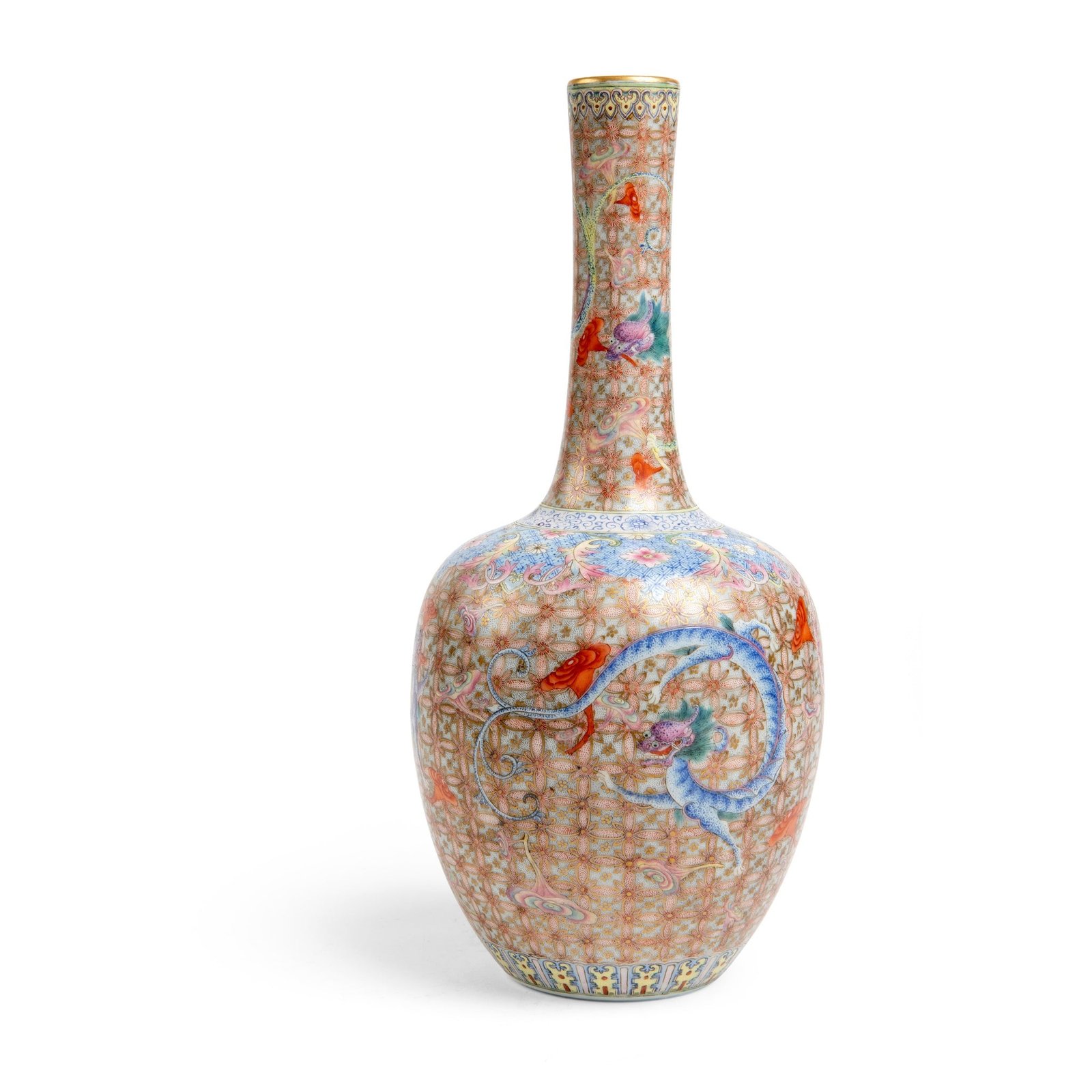
Here is the order. It is not the order most people expect.
1. What is it? (not: how old is it?)
Form and function come first, because they narrow everything else. A brush washer, a ginger jar, a moon jar and a bottle vase belong to different markets with different buyers. Get the object type wrong and every subsequent judgement is wrong.
This is also where the first correction usually happens. A great deal of what is brought to us as “a Chinese vase” is Japanese; much “Satsuma” is not porcelain at all but earthenware, usually decorated in Kyoto; and some things catalogued as Korean turn out to be Chinese — the British Museum spent roughly fifty years with a Ru ware brush washer catalogued as Korean before analysis put it right in 2021.
2. Is the quality there?
Before the date, before the mark. Potting, glaze quality, the confidence of the painting, whether the foot is properly finished, whether the form is well proportioned. A superb object of uncertain date is a better proposition than a mediocre one with a good story.
The Metropolitan Museum’s 1989 handbook makes the point about copies specifically, and it disarms the whole anxiety about authenticity: “copies of Chinese ceramics can be very fine, valuable works of art in their own right”.
3. What does the base say — the body, not the mark
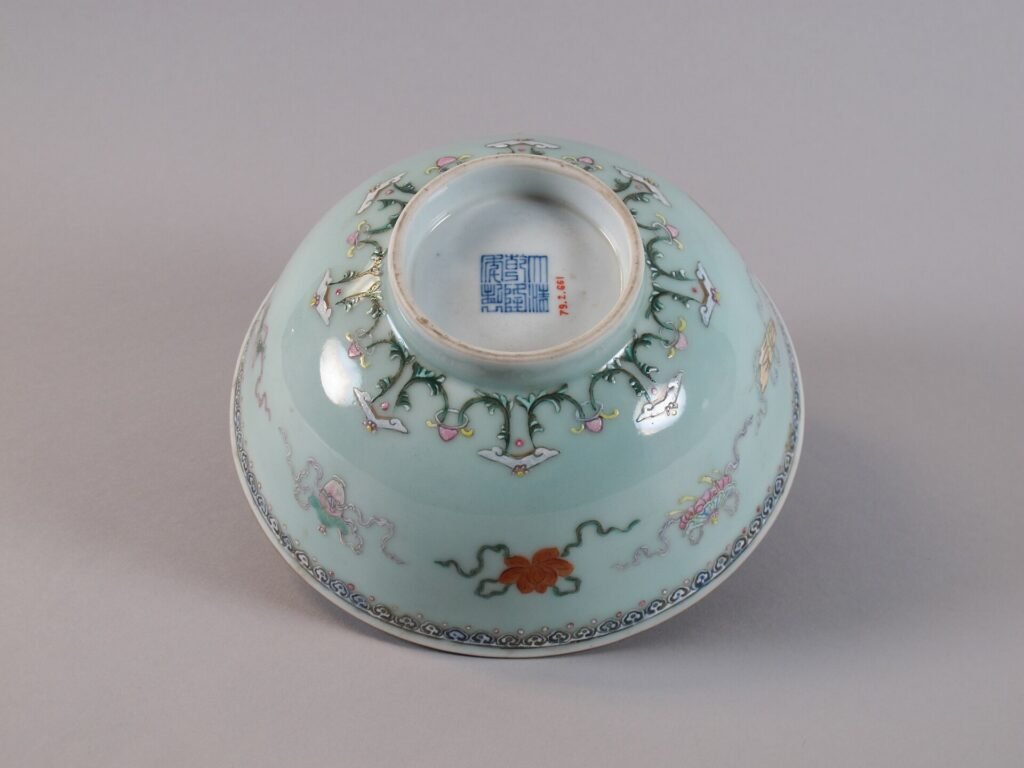
We turn everything over, and we look at the body before the inscription. Where the glaze stops, the exposed clay tells you what it is made of and how it was fired: the ferrous-brown foot of Guan ware, the orange-brown of Longquan, the unglazed, often metal-bound mouth rim of rim-fired Ding, the spur marks on a fully glazed Ru or Goryeo base.
The full account is in reading the base. It is the most useful thing an owner can learn, and it costs nothing.
4. Condition — and whether it is condition at all
Here is where owners most often mis-price their own pieces, in both directions.
Crackle is frequently not damage. On Guan ware it is deliberate — the Met says of one of its dishes that the cracks were “made to resemble the accidental cracks that sometimes occurred during the firing”. On Ge it is the defining feature. On Ru and on Satsuma it is intrinsic. People routinely discount their own pieces for something the potter intended.
Conversely a hairline — a single crack through the body, not just the glaze — is structural and materially changes the object. So is a star crack in a base. See what a hairline does to value.
5. Only now, the mark
The mark comes fifth because it is the weakest evidence on the object, and treating it as first is the most expensive habit in this market.
Chinese reign marks are frequently apocryphal — naming a reign earlier than the piece. The Met’s 1989 handbook is clear this was often not deception but “a kind of ‘salute’ to ceramics of an earlier time”, and calls the practice “widespread”. No institution publishes a percentage, and anyone quoting you one has invented it.
The best illustration is a museum correcting itself. The Metropolitan Museum has re-dated one pair of its own Hongxian-marked vases (68.4.1–2) from “mark and period, 1915–16” in its 1989 handbook to the 1930s–40s. If the Met can accept a mark as period for thirty years and be wrong, a mark on your mantelpiece proves very little. Full detail in our guide to reign marks.
6. Provenance
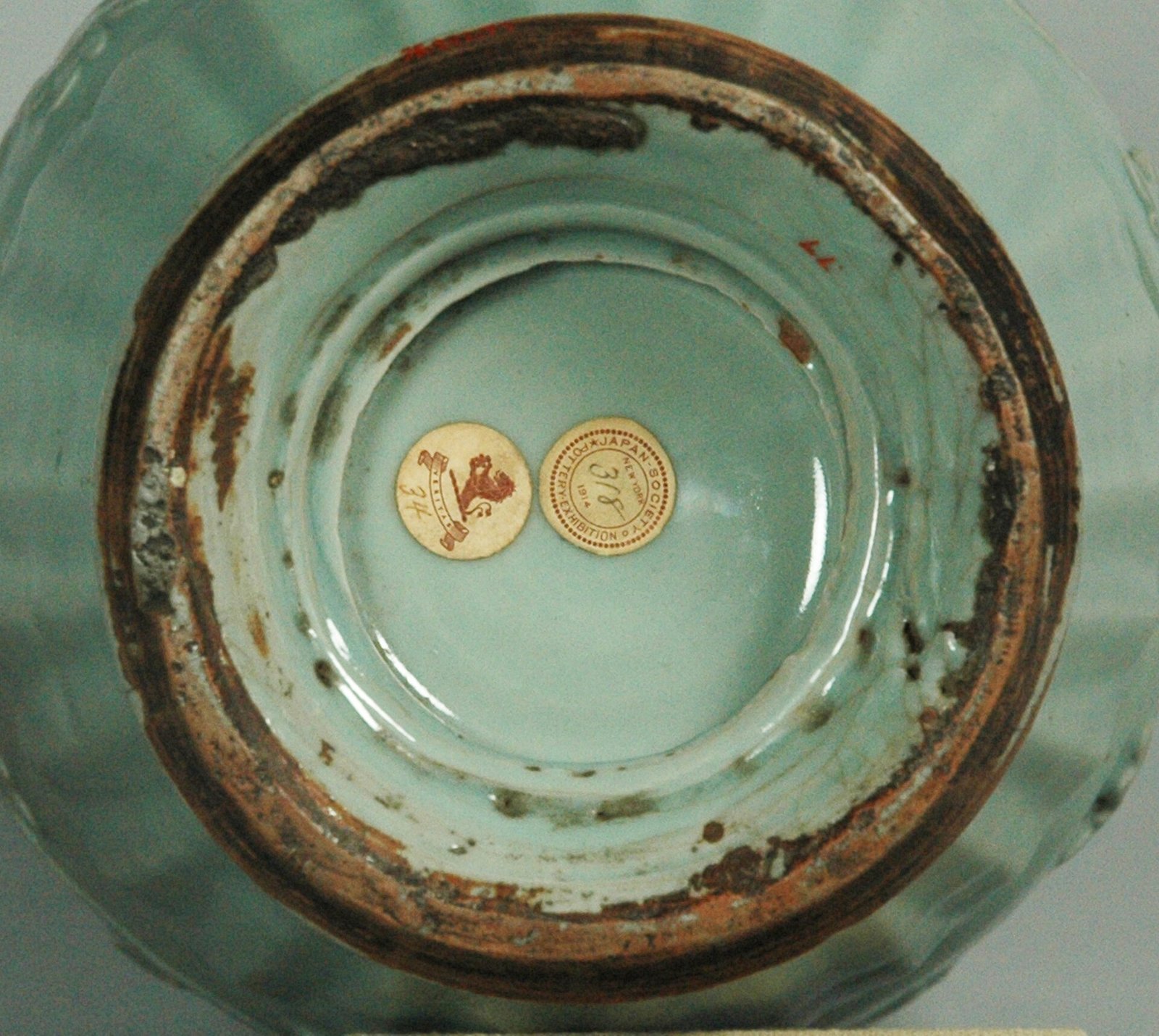
The most under-used lever available to a private owner. A named collection, an old exhibition label, a dated auction receipt, a published reference, even a family letter recording when and where a piece was bought — all of it moves price materially in this market, and most people throw it away.
If you have any paperwork with the object, photograph it. It may matter more than the condition report.
What actually drives price
- Rarity of the type, which is not the same as age. There are fewer than a hundred Ru pieces in the world; there are a great many perfectly genuine nineteenth-century bowls.
- Quality within the type. The gap between a good and an indifferent example of the same ware is usually wider than the gap between two periods.
- Condition, weighted by rarity. A fault on something common is close to fatal; the same fault on something exceptional is a footnote.
- Provenance and publication.
- Size and display value, which matter more at the decorative end than collectors like to admit.
- The mark — last, and only once the first five are settled.
Two honest warnings
We will not value your piece from one photograph, and neither should anyone else. Any online service returning a confident figure from a single front-on image is selling you something.
An auction estimate, a retail price and an insurance valuation are three different numbers, often far apart. Know which one you are being given, and ask if you are not told.
What to send us
If you would like an honest opinion, our valuations are free with no obligation to sell. The photographs that actually help:
- The whole object, square on, in daylight, against a plain background.
- A three-quarter view.
- The full base, with any mark legible.
- The foot rim close up, in raking light.
- The interior, if it is an open form.
- Any fault, photographed as a fault — lit to show it, not to hide it.
- A ruler or tape in one shot, for scale.
- Anything you have on where it came from.
We will tell you what we think it is and what we think it is worth — and if the answer is “not very much”, we will tell you that too, because the alternative wastes your time and ours.