Explore Xanadu
Category: Journal
Notes, opinions and acquisitions from the Xanadu Antiques journal.
Post
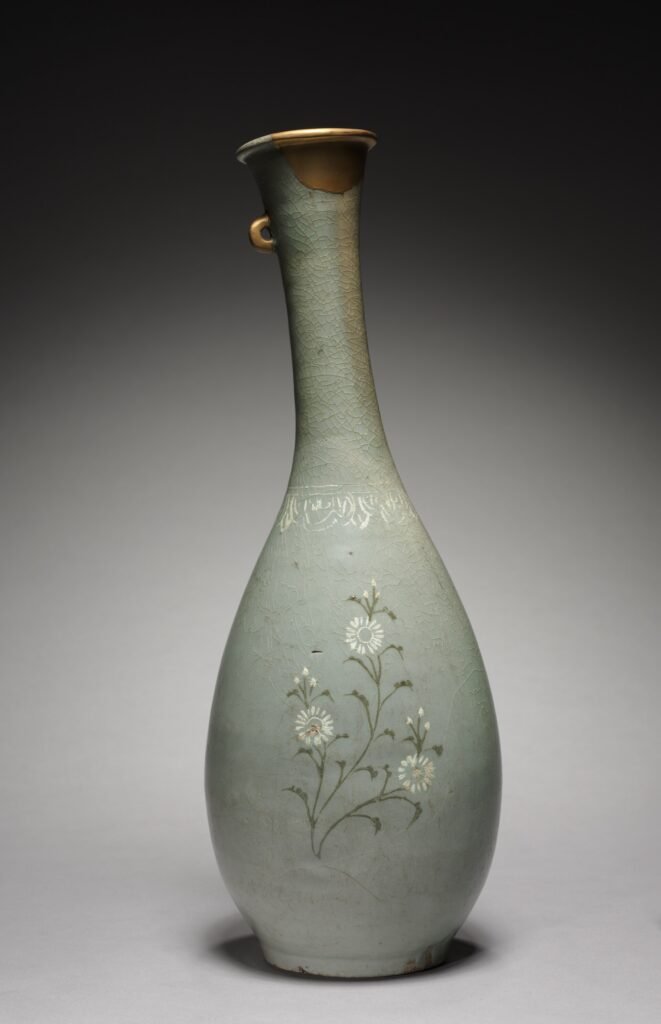
Most damage to old ceramics happens in a sink or on the way to one. Here is how to handle, clean, display and store porcelain, stoneware and earthenware without adding to it, drawn from what conservators actually advise.
Post
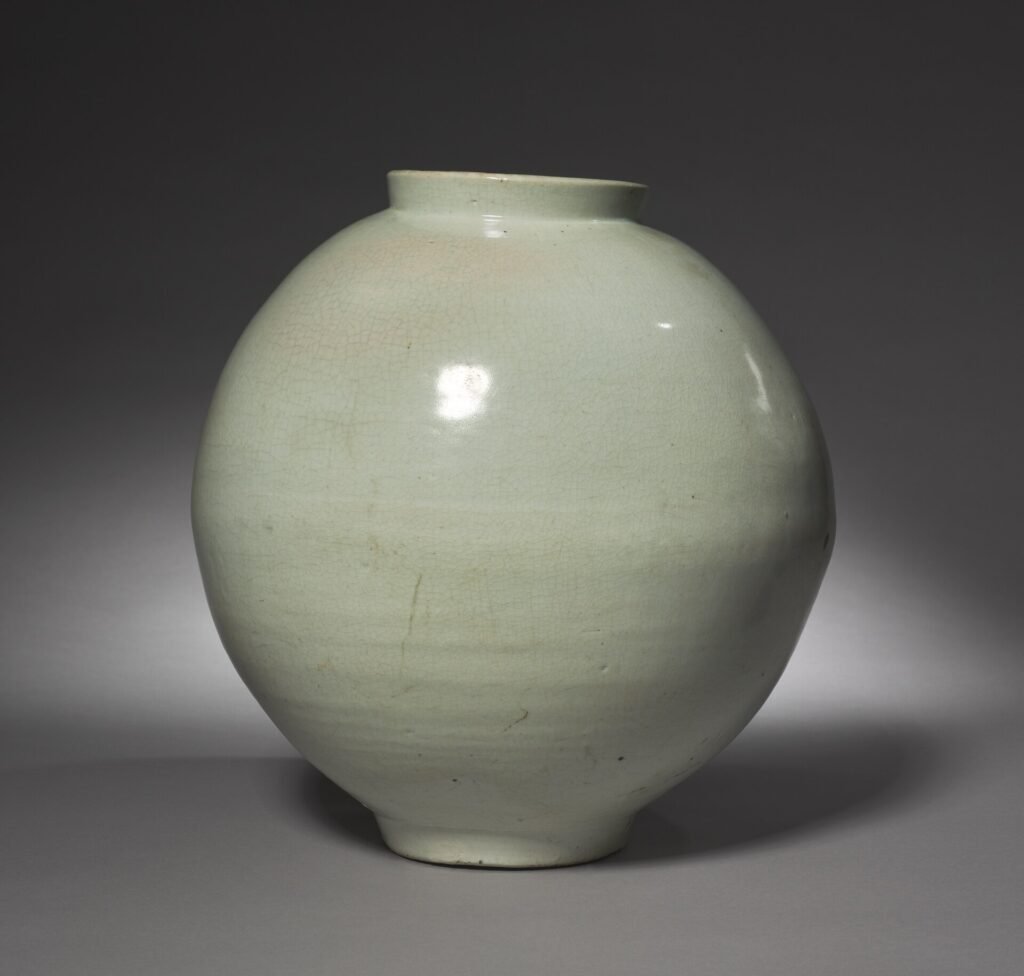
The seam round the widest point is structural, not a fault — a jar that size cannot be thrown in one piece. Why four museums treat the asymmetry as the point, and why they cannot agree on the date.
Post
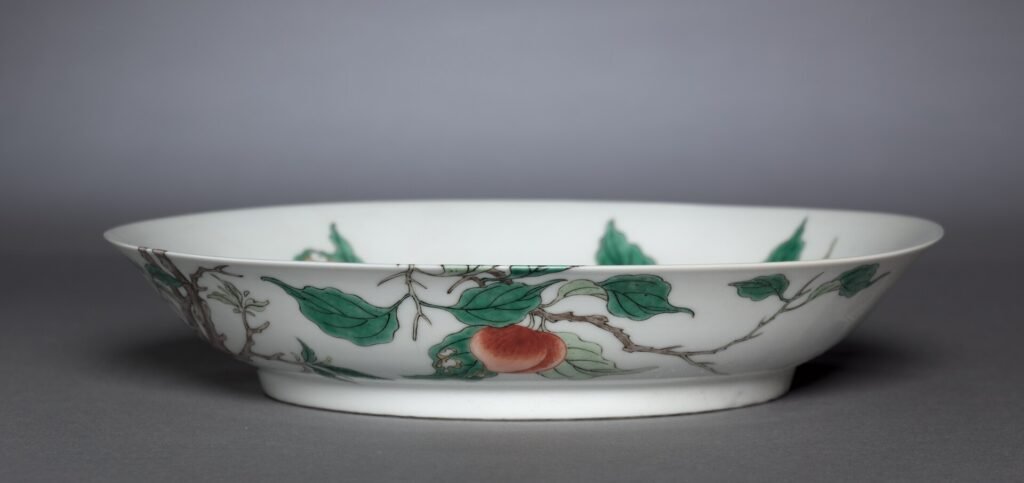
Jacquemart named them in 1862, not 1873. What actually separates famille rose from famille verte — the opaque white, not the pink — and why famille noire is not a fourth palette at all.
Post
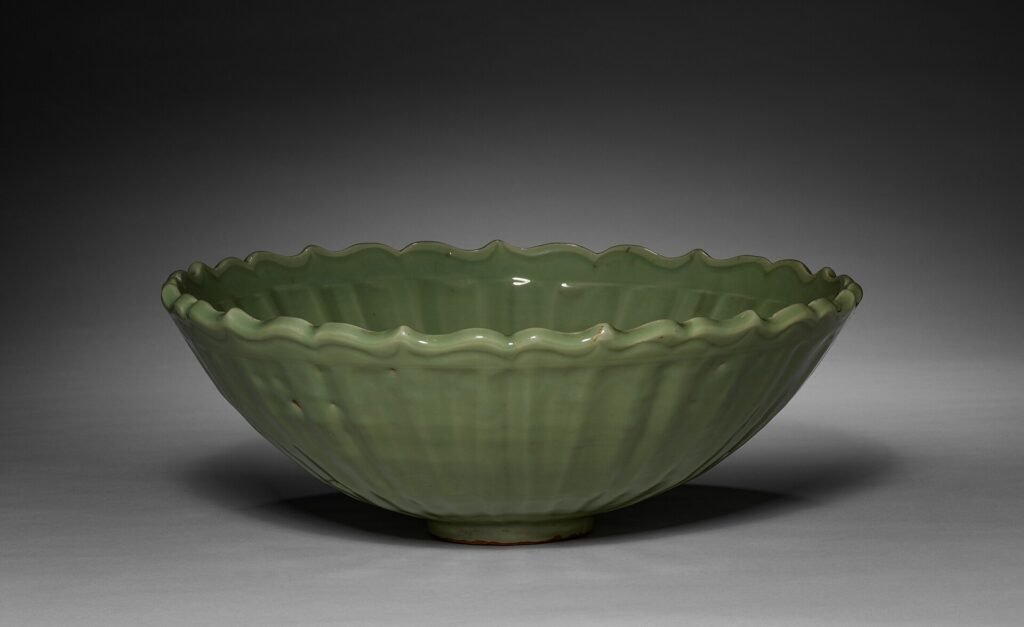
Celadon is a Western term for a family of iron-glazed wares, not a colour or a kiln. How Yue and Longquan sit inside it, which glaze names are Japanese, and the one Longquan dating test that is actually documented.
Post
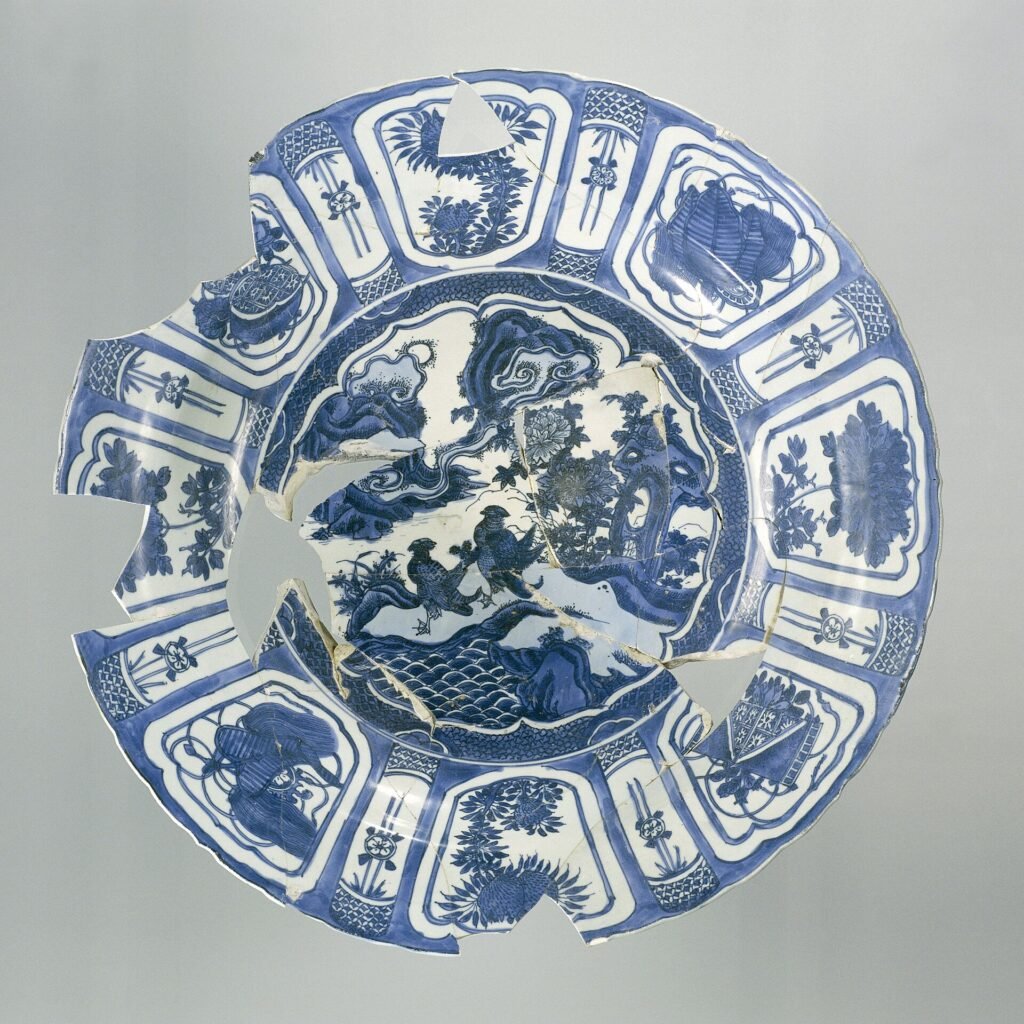
Nanking, Vung Tau, Ca Mau, Tek Sing and Binh Thuan — dates, recoveries and sale results. What seawater does to a glaze, why almost all of it is blue and white, and the Receiver of Wreck duty nobody mentions.
Post
The effective 5% import VAT rate and how it is calculated, the CITES 10 kg rule that usually exempts a hardwood stand, the Ivory Act’s 2025 extension to four more species, and post-Brexit export licensing. Checked 1 September 2026.
Post
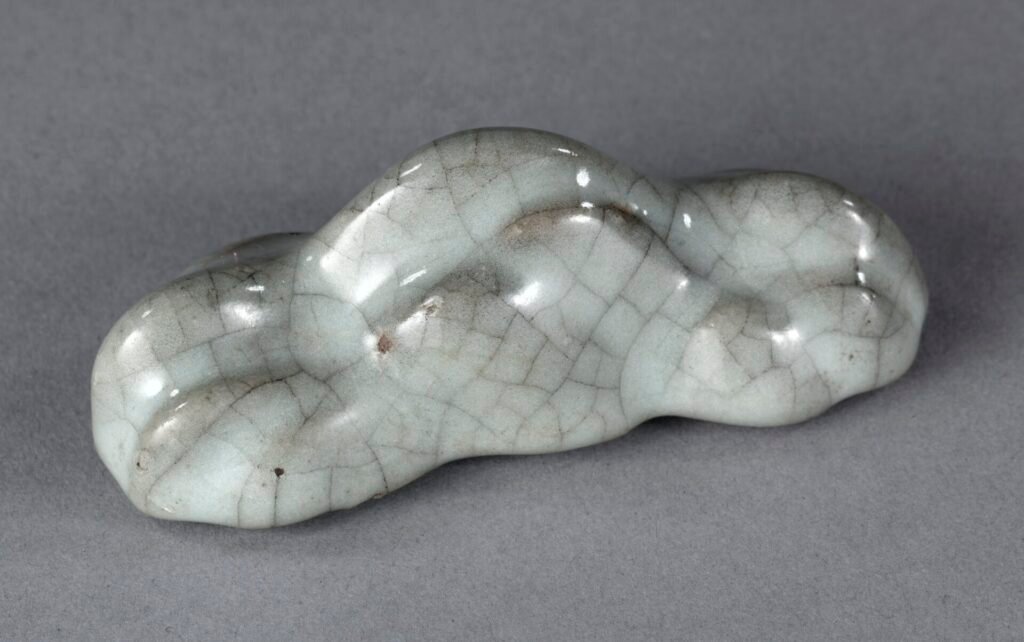
The Met records that Guan crackle is deliberate. What “gold thread and iron wire” means on Ge, why the two are hard to separate, and why Ge is the weakest link in the Five Great Kilns.
Post
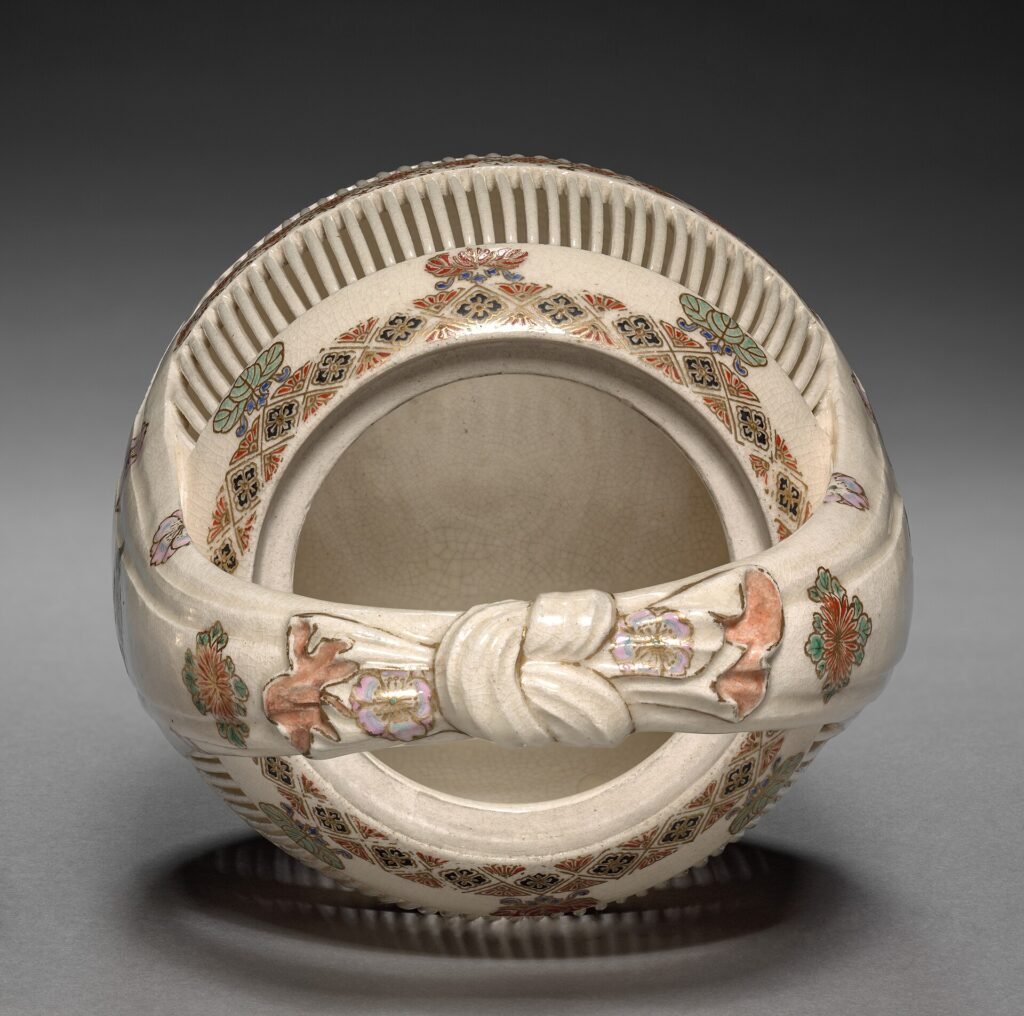
Museums catalogue Satsuma as earthenware, which is why the crazing is intrinsic rather than damage. Plus Kyō-Satsuma, the 1873 Vienna exhibition, and a V&A jar dated sixty years wrong by its own mark.
Post
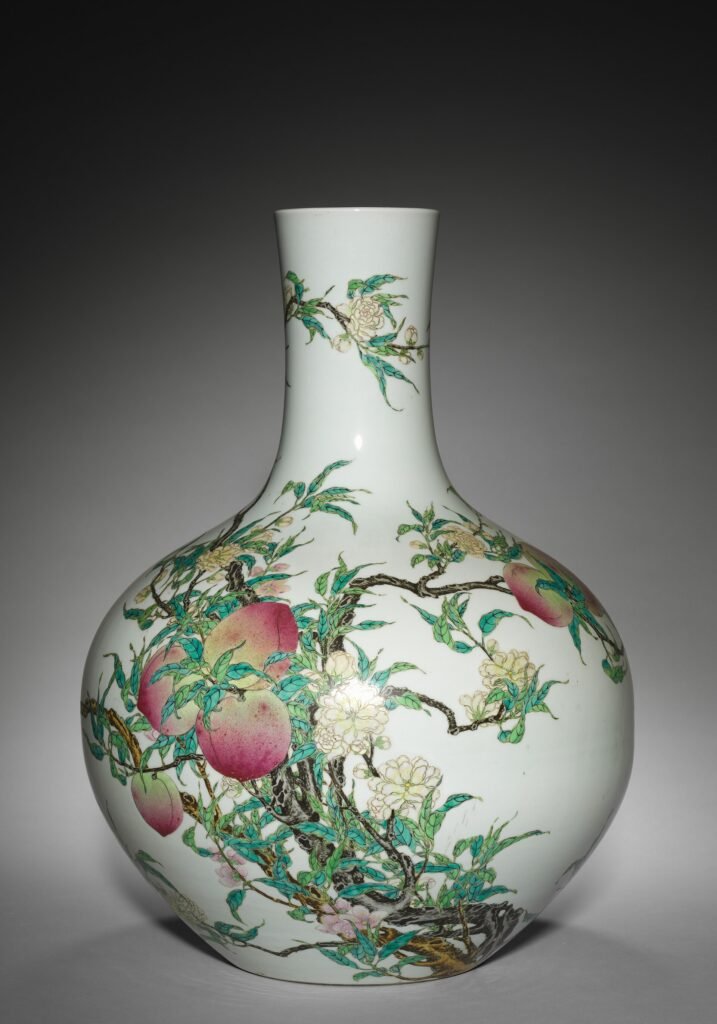
The mark comes fifth. What a dealer actually assesses when valuing Chinese porcelain, and the photographs that make a free valuation useful.