Chinese, Korean and Japanese ceramics are grouped by culture and period in the collection. These pages group them a second way — by ware, which is to say by glaze and decoration. A collector who knows they want a celadon does not much care whether it is Song or Ming until they have it in their hands; a collector of famille rose wants to see Yongzheng, Guangxu and Republic examples side by side, because the comparison is the education. Each ware page explains what the ware is and how it was made, how to read a piece (the glaze, the body, the foot, the mark), what is commonly confused with it or copied from it, and how condition is judged for that particular surface, before listing what we have in that ware now. Periods are covered on the collection pages and, at length, in the guides.
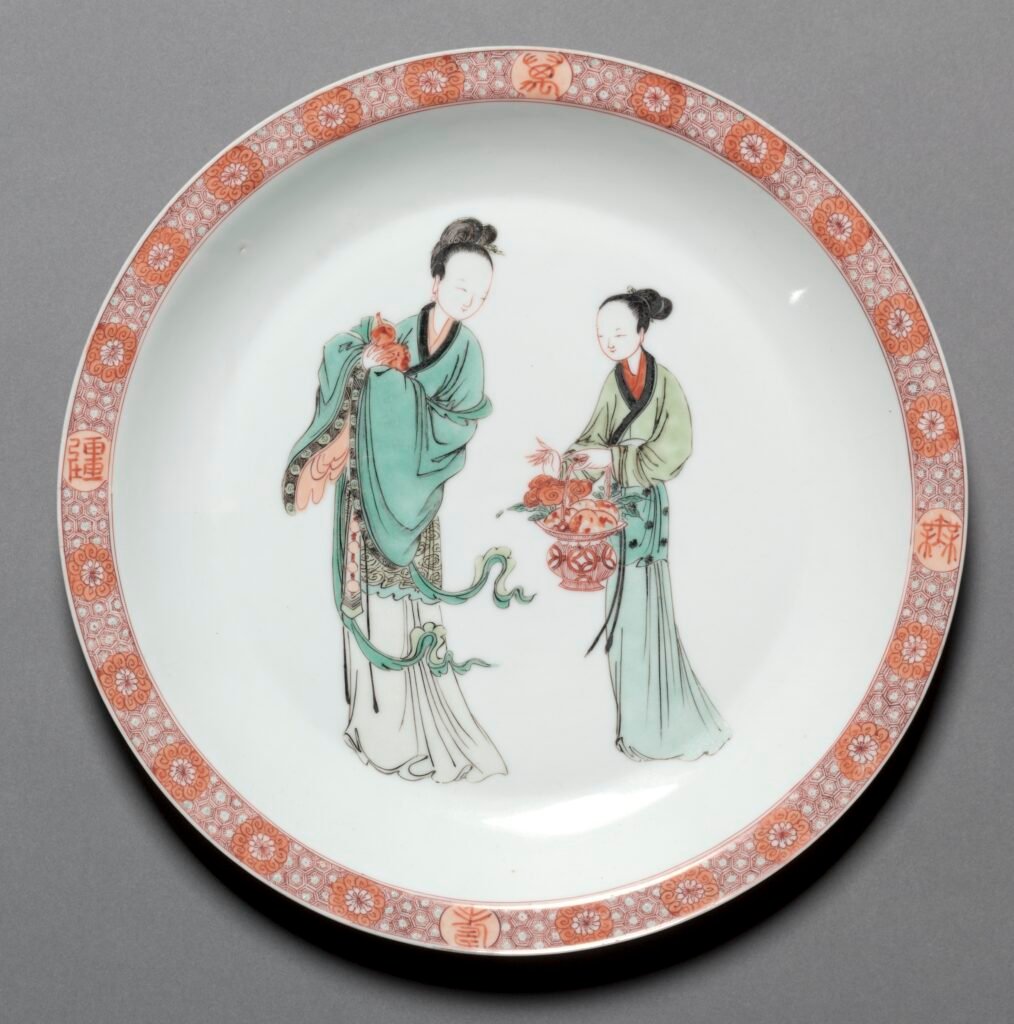
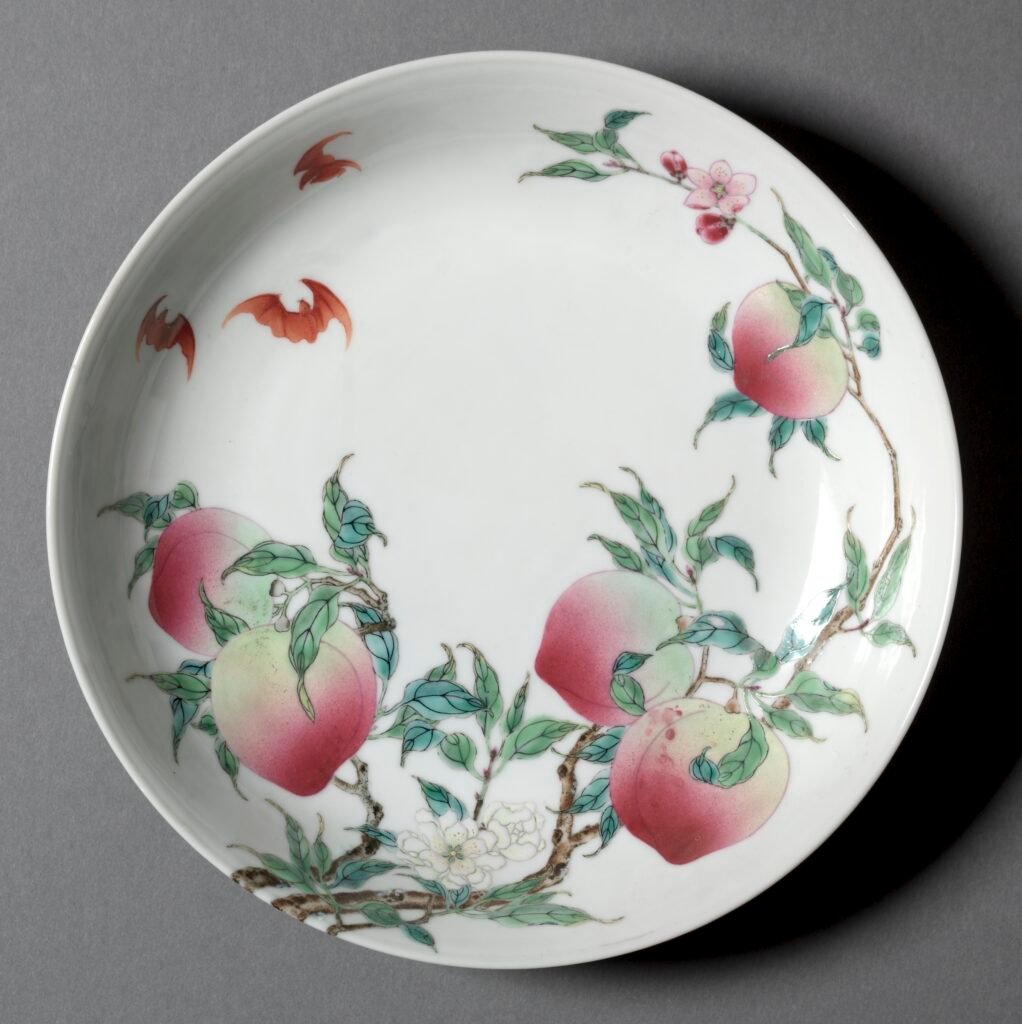
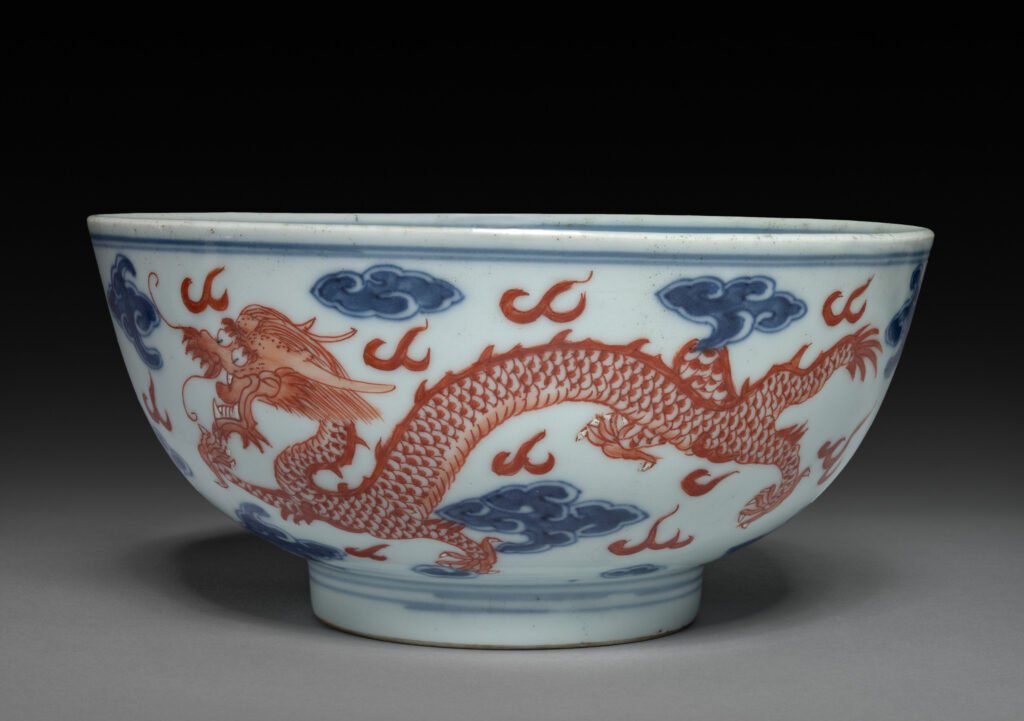
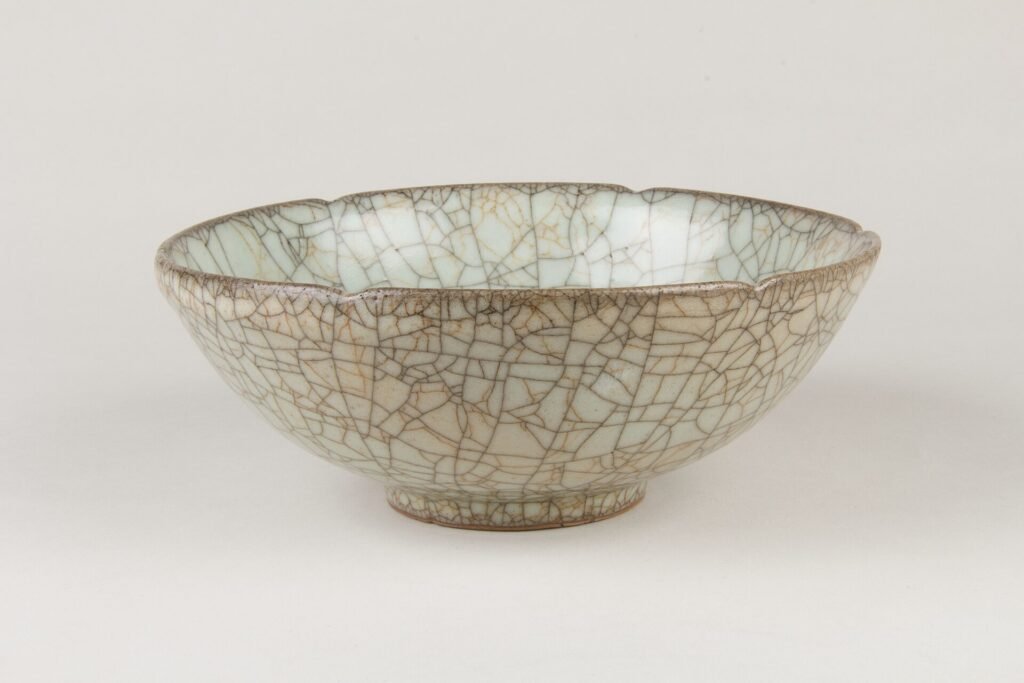
Ware is often the more useful axis for a collector. A famille rose palette tells you something about date wherever it appears; a celadon glaze behaves the same way on a Song dish and a Qing brush washer. Each page below explains what defines the ware, what to look for, and what tends to go wrong.
The wares
- Celadon and Longquan — iron-in-reduction glaze chemistry, and why the foot ring fires orange-brown.
- Blue and white — underglaze cobalt, and why Wanli blue is greyer than Kangxi blue.
- Monochrome — no decoration to date, so everything rests on the glaze and the potting.
- Famille rose — the opaque pink from colloidal gold, and the fingertip test.
- Famille verte — the Kangxi palette, and why confusing it with rose misdates a piece by a century.
- Famille noire — the rarest Kangxi family, and how later redecoration shows in the wear.
- Ge and Guan crackle wares — gold thread and iron wire, and why Ge has no identified kiln site.
- Iron red — an overglaze enamel you can feel, and a good ware to learn on.
- Satsuma — earthenware, not porcelain.